

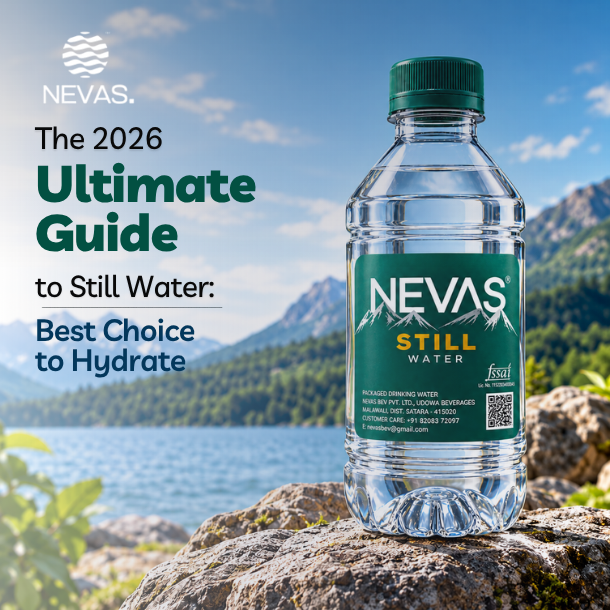
When you feel parched, you don’t have to reach for a fizzy, sugary beverage. Often, the simplest solution is the easiest to reach. Yes, it is still water. Clean, refreshing still water. In 2026, fitness enthusiasts are returning to the basics. Many are moving away from fancy instant energy beverages. They are moving closer to uncarbonated, simple water that provides steady hydration. So, whether you are optimizing your daily routine, recovering from a workout, or trying to feel your best, here’s an ultimate guide to the simple-looking, yet useful still water bottle.
What is Still Water?
Still water is uncarbonated water. Unlike sparkling water, it does not contain added carbon dioxide to create bubbles. Still water can originate from different sources and undergo varying treatments.
Depending on the product, you may find:
Natural Mineral Water: Sourced from an underground source and containing naturally occurring minerals.
Purified Water: Treated to remove impurities and contaminants.
Spring Water: Sourced from a natural spring.
Filtered Drinking Water: Treated through filtration systems before drinking.
Still refers to the absence of carbonation. It doesn’t indicate the source or treatment process.
Benefits of Still Water
Here’s how having a still water bottle handy can benefit you.
Optimal Cellular Absorption and Gentle Digestion
Unlike carbonated drinks that introduce CO2 into your digestive tract, still water is easy to digest. That’s because still water doesn’t contain gas and other complex additives. Therefore, the body easily absorbs it through the intestinal walls into the bloodstream.
Rapid absorption ensures immediate cellular hydration, helping the body maintain optimal blood volume, joint lubrication, and nutrient transportation without resulting in gastrointestinal distress.
Unmatched pH Neutrality and Dental Safety
Sparkling water is often considered a healthy alternative to sugary sodas. However, in some cases, it can cause acidity. Over time, frequent consumption of acidic beverages can weaken tooth enamel and lead to dental erosion.
Still water usually has a neutral to slightly alkaline pH level, between 6.9 and 7.5. Drinking still water helps maintain a balanced pH level in your mouth, washing away food particles and neutralizing harmful oral acids. Accordingly, if you are looking for a tooth-friendly beverage that supports long-term oral hygiene, still water proves to be an apt choice.
Superior Workout Recovery and Performance
Comfort and timing play a crucial role in hydration, particularly for fitness enthusiasts and athletes. Drinking carbonated or flavored beverages immediately before or during high-intensity training can lead to stomach sloshing, acid reflux, and uncomfortable bloating.
However, still water is gentle on the stomach. Hence, it is easier to consume in necessary volumes during long workouts or endurance sessions. It enables efficient thermoregulation, helping your body sweat and cool down effectively without causing internal discomfort. When performance and comfort matter most, still water keeps you hydrated without slowing you down.
Looking for Small Still Water Bottles?
Choose small still water bottles from Nevas for convenient hydration on the go
Zero Hidden Additives, Sugars, or Calories
Many modern drinks marketed as hydration enhancers contain sodium, artificial sweeteners, preservatives, and added sugar. Therefore, overconsuming these additives can disrupt gut microflora, spike blood glucose levels, and add empty calories to your diet.
Still water offers purity with:
Zero calories
Zero sugars
Zero artificial sweeteners
Zero Preservatives
Hence, by choosing still water as your beverage, you choose pure hydration without worrying about unnecessary ingredients and calorie intake.
How to Choose the Right Still Water in 2026?
Expensive water doesn’t necessarily have to be the best choice. So, instead of choosing water based on marketing claims or fancy bottles, here are some practical factors to consider while choosing the right still water bottle.
Check the Source and Treatment: Understand whether the water is natural mineral, spring, purified, or treated drinking water.
Check the Label: Look for information about the water’s source, treatment, and quality standards. If the product makes claims about mineral content or filtration, check what those claims really mean.
Consider Taste: Mineral composition can affect taste. While some prefer a lighter, cleaner taste, others enjoy water with more noticeable mineral character.
Think About Your Usage: A reliable filtration or safe tap-water system may be practical for home use. However, for travel, work, or outdoor activities, you can have a still water bottle with you.
How Much Still Water to Drink?
There’s no specific, single number that suits everyone. Your hydration needs may vary with age, sex, physical activity, climate, and several other personalized factors. Nevertheless, water isn’t the only source of hydration. Some other sources can also include water-rich foods such as fruits and vegetables. You may need more hydration when:
You are exercising or physically active
You spend time outdoors in hot weather
You are suffering from fever
You are losing fluids through vomiting or diarrhea
So, instead of compelling yourself into a single number, make hydration a regular part of your routine. Carry a reusable still water bottle. Sip some water during meals. Keep the bottle easily accessible throughout the day.
Prepared to Make the Switch?
Choose Nevas’s still water bottle. We are premium still water bottle manufacturers with an extensive distribution network and reliable water quality. So, the next time you visit your retailer, look for Nevas still water bottles and make them a part of your daily hydration routine. Email us at sales@nevas.in to know more or place a bulk order.
Frequently Asked Questions
Does still water hydrate better than sparkling water?
Both hydrate. But many people prefer still water for its simplicity, neutral taste, and ease of drinking throughout the day.
Is bottled still water healthier than tap water?
It isn’t necessarily. A couple of key considerations include safety and quality standards. However, water quality also depends on a few factors such as water source, treatment, and local supply.
Is mineral water better for hydration?
Mineral water can be a good hydration choice. But its mineral content does not automatically make it superior for everyday hydration. Aspects such as taste, safety, and personal preference also matter.


