Home » Health Benefits of Packaged Drinking Water for Daily Use
Health Benefits of Packaged Drinking Water for Daily Use
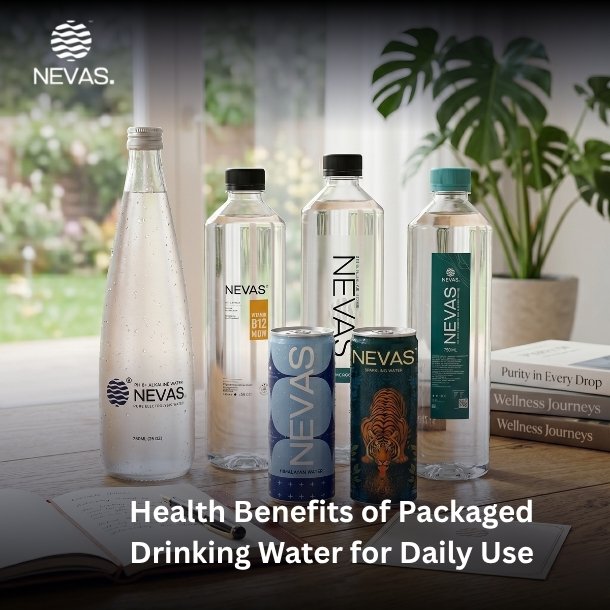
Clean water is the single most important thing you put into your body every day. Not a supplement, not a superfood water. And yet, for millions of people, the question of where that water actually comes from and how clean it really is stays frustratingly unanswered.
That’s where packaged drinking water earns its place in daily life. Not as a luxury, but as a straightforward, reliable answer to one of your most fundamental health needs.
This post breaks down what packaged drinking water actually is, why people choose it, what benefits it consistently delivers, and how to make sure you’re choosing a quality product worth your trust.
What Is Packaged Drinking Water and How Is It Processed?
Packaged drinking water is water that has been collected from an approved source groundwater, municipal supply, or natural springs and processed through a multi-stage purification system before being sealed and distributed for consumption.
The purification process typically includes:
- Coagulation and filtration – removes suspended particles, sediment, and visible impurities.
- Activated carbon treatment – reduces chlorine, organic compounds, and odor.
- Reverse osmosis (RO) – filters out dissolved salts, heavy metals, and microbial contaminants.
- UV or ozone disinfection – Eliminates bacteria and viruses without adding chemicals.
- Sealed packaging – Prevents post-processing contamination during storage and transport
Reputable brands operate under regulatory frameworks BIS standards in India, NSF/ANSI standards in the US, or equivalent national bodies which mandate regular quality testing, approved packaging materials, and consistent safety thresholds. The result is water whose quality you can verify, not just assume.
Key Health Benefits of Packaged Drinking Water for Daily Use
Consistent Purity You Can Rely On
One of the most meaningful benefits of packaged drinking water is predictability. Every bottle from a certified brand meets the same quality standard, every time. When you’re managing a household, travelling, or simply trying to stay consistently hydrated, that reliability matters more than people give it credit for.
Supports Proper Daily Hydration
The human body is approximately 60% water. Adequate hydration supports digestion, circulation, cognitive function, joint lubrication, and temperature regulation — none of which works optimally when you’re even mildly dehydrated. Packaged drinking water makes it easier to hit your daily hydration targets by being immediately accessible, portable, and ready to drink without any preparation.
Reduced Exposure to Contaminants
Certified purified drinking water goes through verified removal of heavy metals like lead and arsenic, microbial pathogens, and chemical residues. For households in areas with ageing pipe infrastructure or inconsistent municipal treatment, this provides a dependable safety layer particularly important for young children, pregnant women, and older adults.
Safe Hydration During Travel and Transit
Access to safe drinking water varies significantly across cities, regions, and countries. Sealed packaged drinking water maintains its quality from the production facility to your hands regardless of where you are. It’s the hydration choice that requires no assumptions about local water infrastructure.
Convenience That Supports a Healthier Routine
Healthy habits are built on friction-free choices. Having clean, safe drinking water readily available at your desk, in your bag, at the gym removes the barriers that lead to dehydration. Consistent access to quality water is one of the simplest and most impactful ways to support everyday wellness.
Common Misconceptions About Packaged Drinking Water
It’s the same as tap water in a bottle
Not always. While some packaged water does begin as municipal supply, it undergoes multi-stage purification and quality testing that isn’t universally applied to tap water especially in areas with variable treatment infrastructure.
All packaged water brands are the same
Quality varies meaningfully. Certification marks, published lab reports, and regulatory compliance separate genuinely safe products from lesser alternatives. Brand transparency is the key differentiator.
It’s harmful because of plastic packaging
A valid concern worth managing. Choosing bottles that are BPA-free, stored away from heat, and consumed within their shelf life significantly reduces any packaging-related risk. Many brands also offer glass or multi-serve options.
Make Quality Hydration Part of Your Daily Routine
If you’re ready to commit to consistent, clean hydration, start with a packaged drinking water brand that publishes its quality certifications, sources clearly, and meets recognized safety standards.
How to Select High Quality Packaged Drinking Water
Check for certification marks – In India, look for the BIS ISI mark. In other markets, NSF, FDA compliance, or equivalent national certification signals verified quality standards.
Read the label for TDS levels – Total Dissolved Solids (TDS) between 150–500 mg/L is generally considered ideal for daily drinking water mineral-balanced without being overly stripped or overly concentrated.
Look for source and process transparency – Trustworthy brands name their water source and describe their purification process on the label or their website. Vague labelling is a flag.
Assess packaging quality – Sealed tamper evident caps, intact labels, and undamaged bottles are non-negotiables. Never consume water from a compromised package.
Choose BPA-free or glass packaging – Particularly if you’re buying for regular family use or for children, packaging material matters as much as water quality.
The Bottom Line
Clean, reliable hydration is not a luxury it’s a foundation. Packaged drinking water earns its place in daily life not through marketing promises, but through the consistency, safety, and convenience it delivers when chosen wisely.
The key is making an informed choice: look for certification, understand what’s on the label, and pick a brand whose quality you can verify. When you do, every glass of water you drink becomes something you can feel genuinely good about.
Stay hydrated. Stay informed With Nevas Water.
Frequently Ask Questions
Is packaged drinking water safe for daily consumption?
Yes,certified packaged drinking water that meets regulatory standards is safe for daily use for most healthy individuals.
What is the difference between packaged drinking water and mineral water?
Packaged drinking water is purified and processed for safety. Mineral water retains naturally occurring minerals from its source and is not typically processed the same way.
How long can packaged drinking water be stored?
Most sealed bottles are safe for 6–12 months when stored in a cool, dry place away from direct sunlight and strong odours.
Does packaged water contain minerals?
Some brands reintroduce beneficial minerals like calcium and magnesium after purification. Check the label for mineral content if this matters to you.
Is packaged drinking water better than boiled tap water?
Both are safe options. Packaged water offers greater convenience and verified consistency; boiled tap water is effective but depends on the quality of your local supply and storage conditions.