
Is Your Packaged Drinking Water Actually Safe
Packaged drinking water is everywhere. Whether you walk into your street-side grocery store or a retail mall. You will see rows of neatly stacked bottles that promise pure, packaged mineral water, healthy, and whatnot! Now, when you feel parched, all you need is water. You may not necessarily check the brand out before drinking it. The bottle has a proper seal. The water looks clean. Usually, it is enough. You seldom think about safety. But is your packaged drinking water really safe? Let us find out the truth. 1. The Rise of Packaged Drinking Water Tap water quality has been doubted for a long time. This is one reason why packaged drinking water has emerged. Grabbing a bottle of water is more convenient than searching for a tap. Buy a bottle and get going. The water is usually considered safe inside the bottle because it is sealed, marketed, and appears hygienic. But does convenience guarantee quality and reliability? The Truth Behind the Bottle Many reputable bottled drinking water brands adhere to strict quality and purification standards. However, not every water bottle you buy and the water you drink are equal. Here are some realities. 2. Not Every Bottled Water is Pure Usually, you think that all bottled water is pure. Why? Because the makers have written it on the bottle! But the reality may be far from what you think. The water may be filtered tap water filled in a bottle, sealed, and sold. Filtration helps remove many impurities. However, the processes may vary. To purify the water, it must undergo multiple processes such as reverse osmosis, UV purification, or ozonation.Has your water undergone these processes? You must verify it before buying. 3. Storage Conditions Matter Significantly Storing water appropriately and safely is just as crucial as purifying. It is because exposure to heat or direct sunlight, for example, when stored in a car, can degrade the water’s quality. It also refers to chemical leaching. When plastic is exposed to heat for a long time, chemicals begin to leach into the water, affecting its taste and quality. Trust Nevas Water, an experienced packaged drinking water bottle manufacturer, for quality you deserve 4. Low-Quality, Counterfeit Products Exist Duplication is a serious concern. Often, counterfeit, unregulated packaged water products imitate the original one almost perfectly. They bottle the water just as accurately as the original one. But they cannot replicate its quality. Their products do not necessarily undergo advanced filtration and purification processes. However, apparently, you cannot distinguish between the two. All you need is water when you feel thirsty! 5. Minerals May Be Missing or Added Artificially Printing and claiming the water is mineral-rich doesn’t require much effort. But sourcing water from mineral-rich sources demands a commitment to excellence, purity, quality, and authenticity. Only genuine, top-quality packaged drinking water brands do it. The water they bottle originates from mineral-rich, natural sources. Therefore, they do not have to add minerals to make the water artificially healthy or enhance its marketing value. The authenticity of the water sold speaks for such brands. 6. Factors to Consider Before Buying Packaged Drinking Water It is not about whether the packaged water you buy is good or bad. It is about quality. Here are factors to consider before you buy your next bottle. Certification and Standards: High-quality water is integral to good health. Hence, never compromise on quality. Always check for recognized quality certifications and compliance with safety regulations to ensure you buy the best. Sealed Packaging: Ensure the bottle is properly sealed before purchasing it. Avoid buying bottles that are broken or poorly sealed. Reputed Brands: It is obvious for everyone to buy a bottle of water (regardless of the brand) when they feel dehydrated. However, stick to well-known, trusted brands with transparent sourcing and purification processes. Clear Labeling: Proper and informative labeling indicates transparency and authenticity. Therefore, before you pay for a bottle of water, check the information about the source, purification method, and its mineral content. Proper Storage: Never accept bottles that appear damaged or those stored in poor conditions. Such water may have degraded in quality before it reaches you. Choose Nevas Packaged Drinking Water. Stay Assured About Reliability! Nevas Water is not just another packaged drinking water brand. It is a trustworthy water partner for millions across India. We sell various types of water, including mineral, alkaline, Himalayan, sparkling, and Vitamin B12 water. Our water comes from trusted, pristine sources, packaged sustainably, and transported to many parts of the country. So, choose what is safe for your health. Email us at sales@nevas.in for orders. Frequently Ask Questions Is packaged drinking water safer than tap water? It depends on the source, brand, the purification processes the water has undergone, and its storage conditions. Hence, always choose branded water. Can bottled water get spoiled? It does not on its own. However, it can degrade in taste and quality if stored inappropriately and when exposed to heat. How can I identify good-quality packaged water? Look for certifications, intact seals, clear labels, and the storage conditions.
Alkaline Water Bottles for Office Professionals Staying Energized Throughout the Day
Imagine it is 9:30 AM. You enter the office energetically. All excited, you begin working. By 11 AM, you feel the need to take a break before the sales meeting begins. By 12:30 PM, the meeting, tight deadline, and computer screen cause fatigue. After lunch, you feel like dozing off. By 2:30 PM, you are not even half as productive as you were in the morning! Most of you must have experienced this. For a corporate professional, staying energized throughout can be challenging. Coffee and tea breaks may serve as quick fixes, yet they can lead to crashes that worsen your feelings. This is where an alkaline water bottle comes in. With each benefit associated with alkaline water, a bottle of it can help keep you energized all day. 1. Improved Hydration for Sustained Energy Being hydrated is integral to staying energized, improving cognitive function, and maintaining overall well-being. The body absorbs alkaline water more efficiently due to its small molecular clusters that help you stay hydrated longer. For the busy corporate bees like you, it means fewer energy breaks and better focus during long working hours. So, instead of reaching for a coffee cup and unnecessarily increasing your caffeine levels, you can sip alkaline water and maintain your energy levels. 2. Battle Afternoon Fatigue By 2 PM, most people feel sleepy. By 3, they doze off! But have you ever wondered why such a thing happens? The answer is dehydration, poor diet, or prolonged screen exposure. An alkaline water bottle helps avoid dehydration by ensuring optimal hydration and potentially balancing pH levels. Sipping the right amount of alkaline water can help you feel more alert and less sluggish while reducing the need for an unhealthy snack or sugary beverage. Trust Nevas Water, an experienced alkaline water bottle manufacturer, for cleaner and healthier hydration 3. Convenience and Portability An alkaline water bottle isn’t just a water container. It is a lifestyle choice. Most models are stylish, lightweight, and portable, making them apt for office use. So, whether you are traveling in a cab, attending a pre-sales meeting, or glued to your screen on the desk, you can have an alkaline water bottle to keep yourself hydrated easily. Therefore, an alkaline water bottle lets you bid adieu to those bulky water filters. 4. Better Focus and Productivity Hydration has a profound link with brain functioning. Even mild dehydration can affect your mood and attention, frequently distracting you from your work. However, having an alkaline water bottle handy encourages regular water intake, maintaining the hydration levels your body needs to focus on work and stay productive. Thus, if you are a professional who juggles multiple tasks such as attending meetings and calls, while also executing work and presenting outcomes, sipping alkaline water regularly can help you stay hydrated, sharp, and make the right decisions. 5. Healthier Daily Habits Health matters, no matter how busy you are. Everyone understands this. Yet, people make unhealthy choices for their bodies. Using an alkaline water bottle serves as a subtle health reminder for your body. It encourages you to make hydration a conscious part of your routine, resulting in more positive habits such as eating healthy food, taking microbreaks, and managing stress more effectively. Thus, although not direct, drinking alkaline water can have a positive impact on your body. 6. Reduced Caffeine Dependence Caffeine is staple in most workplaces. Sipping coffee isn’t just a matter of style but of prestige in many places. Yet, the overconsumption of coffee can affect your body and emotional being in various ways, resulting in anxiety and sleep disruptions. Alkaline water proves to be calmer but more effective, a natural alternative to maintain your energy levels. When you are hydrated and energized, you naturally refrain from consuming caffeine, thus reducing your dependence on it. Note: The above benefits are generic. Specific suitability and the effect of drinking alkaline water may vary from person to person. Consult a doctor to be sure about drinking it in your case. Ready to Grab an Alkaline Water Bottle for Yourself? Choose Nevas Water. We are a trusted alkaline water bottle manufacturer with a consumer base of millions spread across various parts of India. Our water is known for its purity, taste, and organic refreshment. So, why wait? Order your alkaline water bottle today. Email us at sales@nevas.in to place your order and get it shipped to your doorstep. Frequently Ask Questions Does alkaline water improve energy levels? It doesn’t directly boost your energy levels like caffeine. Yet, it helps you stay energized by keeping you hydrated. Thus, you can focus more on work and be more productive. Can alkaline water replace regular water fully? It depends on how well alkaline water suits you. You can use it as a primary source of water, but it is based on how well your body responds to it. Does alkaline water taste better than normal water? Most consumers describe its taste as silkier and smoother, as the filtration process removes various common impurities present in city tap water.
The Benefits of Drinking Glass Bottled Water

In today’s fast-paced, hectic routines, often, convenience takes over health. People usually make handy choices. Water is no exception to this modern principle. However, for something as crucial as water, thinking merely about convenience isn’t prudent. You must make a choice that affects your long-term health, the flavor of the water, and the planet. This is where drinking mineral water in glass bottles comes into play. But how does drinking glass-bottled water benefit? From your health to that of the planet, here are some advantages of drinking water in glass bottles instead of plastic. 1. Zero Chemical Leaching Glass is chemically inert. Unlike plastic, which can leach harmful chemicals such as Bisphenol A (BPA) and phthalates into your water, glass does not react with its contents. This may happen even if the plastic is BPA-free. It can release substitute chemicals such as BPS, potentially disrupting hormones, particularly when your bottle is exposed to sunlight or heat. Glass is non-toxic. Hence, it prevents leaching, keeping the water pure. The chemical-free nature of glass makes mineral water in glass bottles a safer hydration choice. This particularly benefits those sensitive to environmental pollutants or who want to minimize their exposure to synthetic additives. 2. Superior Taste While drinking water from containers other than glass, you may experience a plastic or metallic aftertaste. It happens because plastic and substandard aluminum are porous. Hence, they can absorb flavors or release micro-particles into the liquid. However, glass is non-porous. Therefore, it will not impart any of its own flavors. Glass preserves the natural flavor profile and aroma of water, no matter how long it stays in the bottle. Switch to a stylish and durable glass water bottle from Nevas Water today 3. Hygiene and Ease of Cleanliness The sleek, stylish glass bottle is also hygienic. Since glass is non-porous, it doesn’t breed bacteria or stains as easily as other materials do. Therefore, you can clean the bottle effortlessly, whether by hand or through the dishwasher. The ease of cleaning has yet another meaning. It means fewer hidden odors, less bacterial buildup over time, and better, long-term bottle hygiene. You can even reuse a clean glass bottle regularly, ensuring healthy hydration without confronting lingering smells or bacterial residue. 4. Higher Temperature Stability Glass water bottles are more efficient than plastic ones, even when it comes to maintaining the water temperature. It is because glass has higher thermal stability, ensuring your water stays cooler or warmer for a longer duration without affecting the taste. So, whether you are out with your bottle on a hot day or on a chilly afternoon, a glass water bottle with excellent thermal properties can serve as a useful, friendly companion. Of course, glass isn’t as efficient as specialized vacuum bottles when it comes to insulation. Yet, it is much better than the typical plastic containers, which have become common in recent years. 5. Sustainability The planet matters just as much as yours. Glass is a healthier option in every aspect. It is 100% and indefinitely recyclable without compromising quality. This is the opposite of plastic, which usually degrades in quality with each recycling cycle. Let alone occupy landfills and cause marine pollution. Using fewer single-use plastic bottles helps reduce your carbon footprint and aligns with the broader goals of environmentally friendly consumers. Glass is also reusable. Therefore, many people repurpose glass water bottles to ensure long-term hydration, minimizing waste and promoting thoughtful consumption. 6. Visual Clarity Hydration isn’t just functional but also visual, for many, if not everyone. Glass-bottled water offers clear visibility, allowing you to see, experience, and enjoy the water you drink. But glass isn’t about clarity alone. It also has a stylish and minimalist design that complements casual and formal settings. So, whether on your desk, in your gym bag, or at a dinner party, a glass bottle is surely a style statement. Final Words! Glass water bottles aren’t just containers. They are a revolution with benefits that aren’t just anchored to health but extend to sustainability. So, the next time you think of drinking bottled water, choose mineral water in glass bottles. You would then have every chance to be proud of your choice! Nevertheless, the bottle you choose also matters. Precisely, its quality. Glass water bottle manufacturers like Nevas Water step in here. We manufacture 750 ml and 300 ml water bottles to serve varying water consumption needs, while working in the office, working out in the gymnasium, or traveling. Thus, don’t just drink water. Enjoy the experience by drinking it from a glass bottle. Please email us at sales@nevas.in to explore more about our products or place an order. Frequently Ask Questions Is it safer to drink glass-bottled water than plastic? Yes. It is because glass does not leach chemicals such as BPA or phthalates into water. Therefore, glass helps maintain purity without altering water’s composition. Does water taste better in a glass bottle? Glass does not contribute to better taste. But because it is non-porous, it does not absorb odors or flavors that help preserve the natural, clean taste of water. What are the downsides of glass water bottles? Yes, glass water bottles are heavier than plastic and breakable. But many glass water bottles have silicone sleeves that increase durability and portability.
What Happens to Your Body After 30 Days of Drinking Himalayan Natural Mineral Water?
Water is integral to the body’s survival and health. Yet, each water is unique. While RO-purified water has been the default choice for many, one can notice a significant shift toward Himalayan natural mineral water. Rich in minerals such as magnesium, calcium, potassium, sodium, and bicarbonates, Himalayan natural water benefits the body in different ways. Consuming it consistently for 30 days can drive subtle benefits to the body. But precisely, what happens when you drink the water of a reputable Himalayan water brand for a month? Let us understand them in this blog. 1. Better Hydration Staying hydrated doesn’t just mean having the right amount of water in your body. It also refers to regulating fluid balance in the body. As a rich source of sodium, magnesium, and potassium that act as electrolytes, Himalayan natural mineral water precisely does that. Its electrolyte content improves the body’s absorption rate while maintaining proper nerve and muscle function. Therefore, Himalayan water hydrates the body more effectively than plain water, particularly after physical activity or dehydration. A month of regular intake can translate improved hydration levels into better energy levels and body performance. 2. Natural Calcium Intake = Stronger Bones Ensuring the right calcium intake is essential in maintaining bone density and strength. Mineral-rich water contributes to regular calcium intake. It doesn’t serve as a replacement for calcium-rich foodstuffs but can complement them. Besides, calcium water is highly bioavailable. When consumed regularly for a month, additional calcium intake can support bone mineral density and help you maintain the right skeletal health. Hence, the body can absorb it more efficiently. 3. Improved Muscle Function Himalayan water is also rich in magnesium, which supports muscle contraction, nerve signaling, and energy generation. So, after consuming Himalayan water for 30 days, the extra magnesium intake can help minimize muscle cramps, enhance muscle recovery, and positively support neuromuscular function. It can particularly prove to be more beneficial for people who indulge in regular workouts. Order a Nevas himalayan water bottle and enjoy the benefits of natural mineral water sourced from pristine origins 4. Potential Blood Pressure Reduction Poor mineral levels are often associated with conditions such as high blood pressure and increased vulnerability to heart disease. However, since mineral water contains calcium and magnesium, regular consumption can also improve cardiovascular health. Individuals who drink mineral water with magnesium and calcium may experience reduced blood pressure over a period. Consuming it for four weeks can improve blood pressure levels in people on the brink of hypertension. 5. Better Digestive Health This is yet another benefit of the mineral content of Himalayan water. Minerals such as magnesium sulfate and bicarbonate can benefit in different ways. For instance, magnesium can help stimulate bowel movements, preventing constipation. On the other hand, bicarbonate can help neutralize stomach acid. Thus, if you drink mineral water consistently for 30 days, you may notice significantly improved levels of digestion, reduced acidity, smoother bowel movements, and increased gut comfort. People with mild digestive concerns may particularly benefit from drinking mineral water. 6. Enhanced Blood Circulation Minerals such as calcium, potassium, and magnesium help maintain a healthy heart rhythm and proper blood circulation. They can help regulate muscle contraction in the heart and support the normal functioning of blood vessels. 7. Improved Muscle and Joint Support Drinking Himalayan water can also help maintain better musculoskeletal health, supporting muscle mass, joint function, and bone strength. Again, thanks to minerals such as calcium and magnesium! Consuming mineral-rich foods may help maintain muscle mass and reduce the risk of falls in older adults. The additional mineral intake can benefit the body if you consume the water regularly for 30 days. 8. Natural Detoxification and Kidney Support Himalayan water is microbiologically wholesome and devoid of industrial pollutants. Drinking pure source water regularly for 30 days helps increase diuresis, helping the kidneys flush out metabolic waste and toxins more efficiently. It can reduce water weight and swelling resulting from diets rich in sodium. Final Words! Consuming Himalayan water for 30 days benefits subtly. However, noting a few things is important. First, you need a reputable, proven Himalayan water brand. Second, the effect and degree of benefits may vary from person to person. Besides, the suitability of the water also matters. So, you must consult your doctor before drinking Himalayan water. As for the Himalayan water brand, Nevas Water comes in as a trusted name with a consumer base in millions. Our water originates from pure, natural sources, making it mineral-rich and advantageous to the body. So, Email Us At Sales@nevas.in to place orders. Frequently Ask Questions Is Himalayan water healthier than regular water? Yes,It is generally considered beneficial because it has naturally occurred minerals such as calcium, magnesium, and potassium that offer additional health benefits. How much mineral water should I drink daily? The quantity varies from person to person. However, generally speaking, you may include 2-3 liters of mineral water. Can mineral water replace dietary minerals? No,It doesn’t replace dietary minerals or serve as a substitute for a mineral-rich diet. However, it can complement your dietary efforts.
Alkaline Water Bottles: Everything You Need to Know Before You Sip
Last summer, I was trekking in Saputara, completely tired and thirsty after hours of walking in the heat. My friend pulled out a fancy bottle and said, “Try this, it’s alkaline water.” I had no idea what that meant. But one sip and I was curious the water tasted softer and cleaner than regular water. So I started doing my research. And honestly? What I found was quite interesting. If you have seen those “pH 9.5” water bottles at gyms, health stores or even on Amazon, this blog is for you. How does an alkaline water bottle work? In simple words, an alkaline water bottle is a reusable bottle that makes your regular water less acidic. Normal water has a pH of around 7. Alkaline water sits between 8 and 9.5 on the pH scale. These bottles work in two main ways. Some use mineral filter cartridges that add calcium, magnesium, and potassium to the water, which raises the pH naturally. Others use ionization an electricity-based process to make the water more alkaline. For everyday Indian users and travellers, mineral cartridge bottles are the most practical choice. They require no charging, are easy to carry, and work well with regular tap water or RO water. They are also much more affordable compared to ionizer machines. Alkaline Water: Benefits, Side Effects, and Common Questions Let us be honest. There is a lot of exaggeration in the health and wellness market. But some benefits do have genuine research behind them. Relief from acidity and acid reflux: A 2012 study showed that water at pH 8.8 can neutralise pepsin the enzyme that causes acidity and heartburn. If you regularly suffer from a burning sensation in the stomach after eating spicy food, this is worth trying. Better hydration after exercise: A 2016 international study found that alkaline water reduced blood thickness after exercise, which means better circulation and faster recovery. This is good news for gym lovers and athletes. Anti-inflammatory properties: Early research suggests that hydrogen-rich alkaline water may help reduce inflammation in the body, though more studies are needed to confirm this. One important thing to know: Your body automatically keeps your blood pH between 7.35 and 7.45. Your kidneys manage this, not your water. So claims like “alkaline water detoxes your body” or “it cures diseases” are simply not proven. Do not fall for exaggerated marketing. Alkaline water: Better than plain water? The straight answer is for most healthy people, regular filtered or RO water is completely fine. It keeps you hydrated, it is safe, and it does everything your body needs. But alkaline water does have one real advantage: taste. It is softer and smoother, which means most people end up drinking more water throughout the day. And in India, where many of us do not drink enough water during hot summers, anything that helps you stay hydrated is a good thing. Also, a reusable alkaline water bottle is far better than buying packaged alkaline water bottles repeatedly. It saves money and reduces plastic waste, both very practical benefits. Switch to Nevas Alkaline Water and enjoy smoother taste, better hydration, and a smarter everyday water choice Why does some water come with a pH number on the bottle? The pH scale goes from 0 to 14. Seven is neutral, below 7 is acidic, and above 7 is alkaline. Your regular RO or tap water usually sits around 6.5 to 7.5. When a brand prints “pH 9.5” on the bottle, it means the water has been specially processed to be more alkaline. It is partly science and partly marketing. But the number does give useful information. You can also verify it yourself using cheap pH test strips available online for under 200 rupees. Is Alkaline Water Better for You? It is okay to be doubtful. Many so-called health products in the market are not genuine. But alkaline water is not a scam. The science is real, the pH difference is measurable, and some benefits are backed by proper research. Where brands go wrong is making very big claims: “guaranteed weight loss,” “cures cancer,” “reverses ageing.” These are not true. No water bottle can do all that. Think of it this way, an alkaline water bottle is a useful hydration tool. It is not a medicine or a miracle product. If you use it as part of a healthy lifestyle, eating well, exercising, and sleeping properly, you will likely feel better overall. Why Is 9.5 pH So Popular Right Now? You will notice “9.5 pH” everywhere on gym bottles, Instagram ads, and health store shelves. This number became famous because of Kangen water machines, which were heavily promoted through wellness communities around the world. From a scientific point of view, 9.5 is a good middle point. It is alkaline enough to be effective, but not so high that it tastes strange or upsets your stomach. Water above pH 10 or 11 can actually cause digestive problems. So 9.5 became the standard number, and every brand followed. Should You Buy an Alkaline Water Bottle? If you are already drinking 2 to 3 litres of water every day and feeling healthy, you probably do not need one. Your regular RO water is doing a good job. But if you deal with acidity, do not drink enough water, work out regularly, or simply want to improve your daily hydration, a Nevas Water alkaline water bottle is a smart and low-cost choice. Just buy one with a good mineral cartridge, check for proper pH testing details, and replace the filter every 2 to 3 months. Expect better-tasting water and improved hydration habits. Do not expect magic. Stay healthy, stay hydrated and keep exploring! Frequently Ask Questions Is it safe to drink alkaline water every day? Yes, it is safe for most healthy adults. If you have kidney problems or take regular medication, speak to your doctor first. How often should the filter cartridge be replaced? Every 60 to 90 days with regular use. Using an old
The Complete Guide to Choosing the Best Packaged Drinking Water Supplier for Your Business
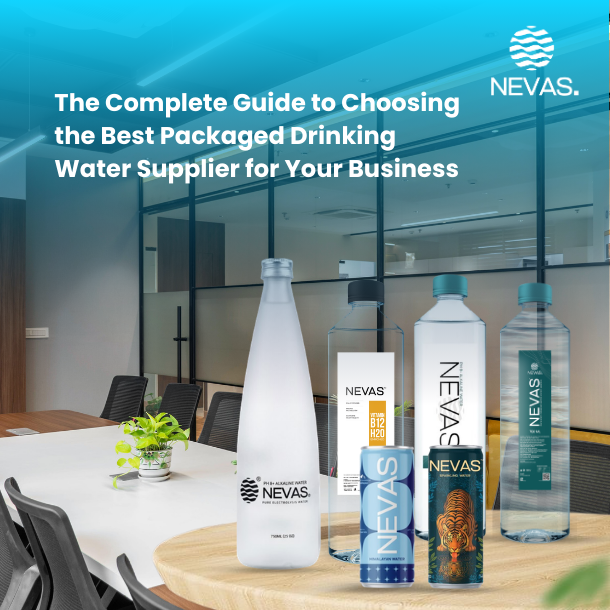
Clean, safe drinking water is not a luxury it’s a necessity. For businesses across India, the demand for reliable packaged drinking water has surged dramatically over the past decade. From corporate offices and manufacturing plants to hotels and retail outlets, the need for a consistent, quality supply of wholesale water bottles has never been greater. But here’s the challenge: not every supplier is created equal. Choosing the wrong one could mean inconsistent quality, unreliable deliveries, or hidden costs that hurt your bottom line. This guide walks you through everything you need to know about selecting the best packaged drinking water supplier for your business and why brands like Nevas Water are becoming the go-to choice for businesses across the region. Why Bottled Water in Surat Is a Growing Business Opportunity Surat is one of India’s fastest-growing cities a hub of commerce, textiles, diamonds and a booming population. The rise in commercial activity and urbanisation has created a massive demand for bottled water in Surat, both for personal consumption and for businesses that rely on it daily. The city’s water infrastructure, while improving, still leads many businesses to prefer packaged water for health, hygiene and consistency. This creates a vibrant market for suppliers, distributors and business owners who want to tap into a steady, recession-proof demand. What to Look For in Packaged Drinking Water in Surat When sourcing packaged drinking water in Surat for your business, quality and compliance should be your first filter. Here’s what to evaluate before signing with any supplier: Certifications: Guarantees the water is filtered, purified and safe for consumption. Packaging Quality: Food-grade, tamper-evident bottles free from contamination. Delivery Reliability: A proven logistics track record ensures no missed deliveries. Pricing Transparency: Wholesale water bottle pricing should be clear and competitive. Scalability: Your supplier should grow with your business without compromising quality. Understanding Drinking Water Manufacturers, Suppliers In Surat Surat has a growing ecosystem of drinking water manufacturers, suppliers in Surat, ranging from small local operations to large-scale producers. The key difference lies in capacity, compliance and customer service. Manufacturers who produce in-house have greater control over water quality and pricing. They can offer competitive rates, especially for businesses ordering in bulk. Distributors, on the other hand, are useful when a business needs more flexible delivery arrangements or smaller order quantities. Nevas Water stands out as a trusted name in this landscape combining manufacturing expertise with the reliability of a committed distribution network. For businesses in and around Surat, Nevas Water offers a seamless supply chain backed by rigorous quality standards and FDA-approved certifications. Packaged Drinking Water Bottles In Surat Available Sizes from Nevas Water When businesses source packaged drinking water bottles in Surat, having multiple size options is essential to serve different needs. Nevas Water offers a comprehensive range so you never need multiple vendors: 330mL Sparkling Water Can: Ideal for events, hospitality and premium retail. 330mL Himalayan Water Can: Perfect for health-conscious consumers and gyms 750mL Mineral Water: The most popular everyday format for offices and retail 750mL Vitamin B12 H2O: Enhanced hydration for wellness focused businesses 750mL Pure Alkaline Water: Great for sports facilities and health centres 750mL Glass Bottle: A premium offering for luxury hotels and fine dining Partner with Nevas Water and experience certified quality, competitive wholesale pricing and dependable delivery across Surat and beyond – Contact Us Wholesale Water Bottle Packaged Drinking Water in India India’s packaged water industry is one of the fastest-growing FMCG categories in the country. The market for wholesale water bottle packaged drinking water in India is estimated to reach tens of thousands of crores in the coming years, driven by health awareness, urbanisation and expansion of hospitality infrastructure. For businesses and distributors looking to enter this market or scale their operations, sourcing from established manufacturers at the wholesale level is the most cost-effective route. Buying wholesale water bottles reduces per-unit costs significantly, allowing for healthy margins whether you’re reselling or using internally. Nevas Water operates on a robust wholesale model, enabling businesses of all sizes from startups to large enterprises to access quality packaged water at competitive rates, backed by FDA-approved standards and dependable supply across pan-India distribution networks. How to Choose the Right Supplier: A Practical Checklist Verify BIS / FSSAI & FDA certifications Request a water quality test report Confirm available bottle sizes match your business needs Ask about minimum order quantities and wholesale pricing Check delivery timelines and coverage area Evaluate customer support responsiveness before committing Make Every Drop Count for Your Business Choosing the right packaged drinking water supplier is a decision that impacts your operations, reputation, and costs every single day. Whether you’re a business in Surat, a retailer, a distributor, or an enterprise scaling pan-India, the fundamentals remain the same: quality, reliability, compliance, and value. With FDA approval, a diverse product range from 330mL cans to premium 750mL glass bottles, and a proven track record across Surat and beyond, Nevas Water is built to be your long-term water supply partner. Frequently Ask Questions Where can I get drinking water wholesale? Source wholesale water bottles directly from licensed manufacturers like Nevas Water, or through B2B platforms like IndiaMart and TradeIndia. Always verify BIS and FSSAI certifications before ordering. How to start selling packaged drinking water to retailers? Partner with a certified manufacturer for wholesale supply, register your business with GST, then approach local grocery stores, restaurants, and supermarkets. Focus on consistent delivery and competitive margins to retain accounts. How to start a bottled water company in India? Register your business, obtain BIS (IS 14543), FSSAI, and local approvals. Set up RO/UV purification, source food-grade packaging, and build a distribution network. Initial investment ranges from ₹10 lakh to several crores depending on scale. Starting as a distributor first is a lower-risk entry point. Is a packaged mineral drinking
7 Essential Tips for Sourcing the Perfect Water Bottle for Your Business
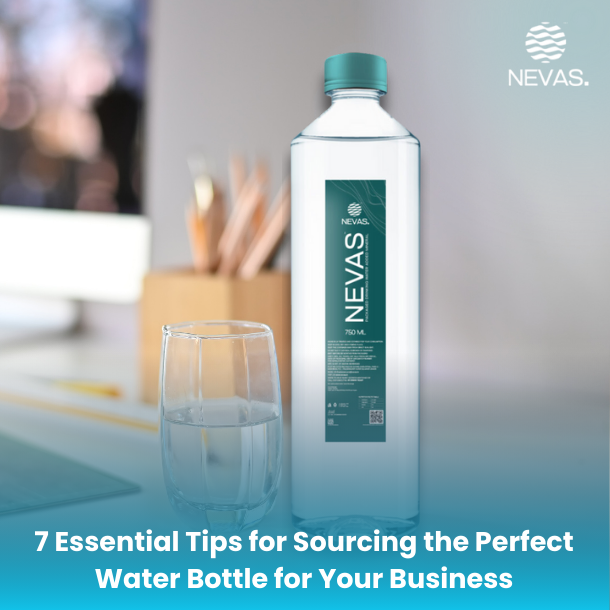
Reusable bottles aren’t merely containers that hold water anymore. They’ve evolved to become something strategically important. Yes. You read it right. Whether you are a startup in its early stages or a massive corporation planning a team event, the right bottle won’t just carry water, but your brand story everywhere the user takes it. However, if water bottles have become so crucial, you cannot choose just any brand. You must make the right choice. So, how do you source perfect wholesale water bottles for your brand? If you’ve been wondering how to go about it, here are seven tips. 1. Keep the End User in Mind Giving the same bottles to everyone can help save some money and design effort. However, practically speaking, that doesn’t work. Imagine giving a BPA-free plastic bottle to a critical corporate client! Such bottles may remain locked in the user’s drawer. Let alone the impression they may create. Thus, before you book your order, you must consider the user. You must be clear who will use your bottle. Whether it is your employees, event attendees, or clients. Next, you must also consider the purpose of use – whether outdoors, occasional, or regular. Furthermore, you must balance portability with capacity. A stainless steel, sleek bottle may be great for a corporate client. On the other hand, a BPA-free plastic bottle can prove to be cost-effective for large-scale event giveaways. Furthermore, you must balance portability with capacity. A stainless steel, sleek bottle may be great for a corporate client. On the other hand, a BPA-free plastic bottle can prove to be cost-effective for large-scale event giveaways. 2. Select the Right Material Choosing the right material is a multi-dimensional aspect. It affects everything from durability to cost, sustainability, and brand perception. Some common material options include the following. Stainless Steel: Premium look, excellent insulation, long lifespan Glass: Clean taste, eco-friendly, but heavier and more fragile Plastic (BPA-free): Lightweight and budget-friendly Aluminum: Durable, affordable, but usually requires an inner lining If sustainability is one of your brand values, ensure your bottle reflects it. It may not highlight your sustainability endeavors as prominently. But customers do notice! Nevas offers end-to-end water bottle wholesale solutions tailored for corporate events, employee gifting and promotions. 3. Ensure Quality Control Imagine giving a bottle with a leaking lid or a peeling logo! People will be appalled by your gift and build a negative perception. They may even mock it later. This is where ensuring quality control comes into play. Accordingly, you must ask your potential supplier about the quality checks they do before shipping, quality certifications and if they can share them, and about their defect handling or replacement procedures. Quality matters. Hence, investing a little more time in choosing the right supplier and paying slightly more for premium bottles can help keep your brand image intact. 4. Customize the Bottle Practically Branding is one of the core purposes of giving away bottles as a gift. The way you brand your business on your bottle can turn the latter into a mobile billboard. Yet, you must be practical while customizing your bottle. For instance, you must place the logo correctly, select the right printing method (screen printing, laser engraving, or UV printing), and align colors based on your brand palette. The bottle shouldn’t scream about your brand with gaudy colors or a flashy appearance. People must feel happy and not awkward while carrying the bottle. 5. Assess the Supplier Comprehensively Suppliers manufacture bottles. Therefore, they are just as crucial as their product. When you evaluate suppliers, you must do so across various parameters, including; Proven experience in manufacturing drinkware Transparent pricing and MOQs Clear communication and realistic timelines Ethical manufacturing practices Sustainable packaging and logistics Client references and feedback 6. Balance Cost and Value Price and value are two different aspects. Often, companies go for cheaper quotes, particularly when they procure wholesale water bottles in bulk. It proves to be affordable, but it may not necessarily deliver the expected value. Thus, instead of asking if you are buying the cheapest bottle, ask about its durability, usability, and its alignment with brand positioning. Again, if the bottle represents your brand, it is worth spending a little more to make it a premium gift, rather than the one chosen thoughtlessly. 7. Consider Packaging Sustainable packaging is another crucial consideration. Avoid plastic bubble wrapping. Instead, choose recycled cardboard or compostable sleeves. Need Wholesale Water Bottles for Your Next Corporate Event? Choose Nevas, one of India’s trusted water bottle manufacturers with years of experience and a reputable corporate clientele. We are comprehensive water bottling partners who adhere to the best practices, ensuring strict quality control and personalization that help define your brand perception. So, connect with our sales team and enter a detailed dialogue with our experts at sales@nevas.in. Frequently Ask Questions Which material suits the best for business branding? Stainless steel is the most widely preferred choice for corporate branding. Such bottles look aesthetically pleasing and are durable. Are custom water bottles environmentally friendly? Yes. At Nevas, we follow eco-friendly manufacturing, packaging, and transport practices. Therefore, each bottle we make represents sustainability. How long does it take to manufacture custom bottles? It depends on the order size and the level of customization involved. We recommend connecting with us at sales@nevas.in to get a price and timeline estimate.
5 Benefits Of Using Alkaline Water Bottle On A Daily Basis
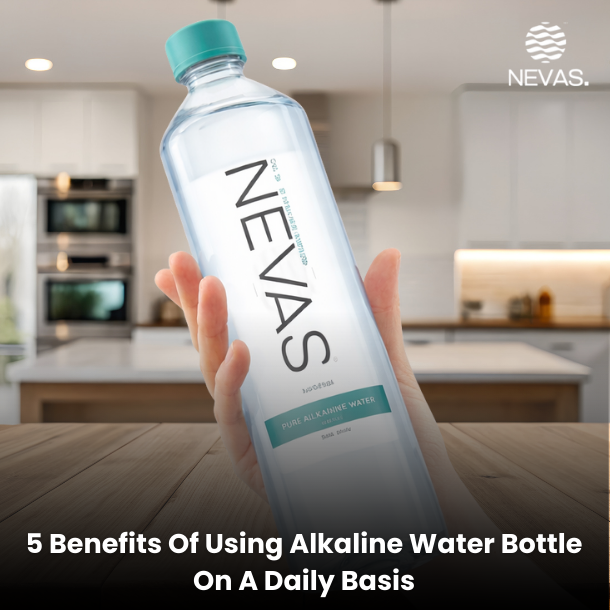
In today’s world, people have become more health-conscious than ever. They choose safe, organic stuff that benefits them in the long run. Water isn’t an exception. Globally, consumers have come a long way from the regular tap water to contemporary choices. So, it isn’t about drinking water anymore. It is about consuming better water that proves to be truly, comprehensively advantageous. This is where alkaline water steps in. From niche wellness circles to everyday conversations, alkaline water bottle have had their unique voyage. They’ve emerged to become a preferred choice among fitness enthusiasts and even the common, regular water consumer. But what makes an alkaline water bottle everyone’s go-to choice? Let’s find out in this blog that discusses its benefits. What is Alkaline Water? Alkaline water has a higher pH than regular water. The pH of regular drinking water is 7. But alkaline water has a pH of 8 or 9. The higher pH stems from added alkaline minerals such as magnesium, calcium, and potassium. Remarkably, alkaline water helps balance acidity in the body while keeping you hydrated. Also, many alkaline water bottles have built-in filters or mineral cartridges that enhance the water as you drink it. The Growing Significance of Alkaline Water: Why Use An Alkaline Water Bottle? From improved hydration to convenience, here’s why alkaline water bottles are becoming more popular with each passing day. Better Hydration Staying hydrated is integral to a healthy body. Alkaline water precisely does that better than many other water types. It has various minerals that make it easier for the body to absorb alkaline water than regular water. Better hydration translates into higher energy levels, enhanced focus, healthier skin, and improved overall body function. An alkaline water bottle makes access to alkaline water easier, making hydration more effortless! In other words, the bottle encourages you to drink more water throughout the day. Balanced Body Acidity Modern lifestyles have become highly acidic. Consuming processed foods, excess sugar, caffeine, and other factors such as stress, pollution, and lack of rest can raise acidity levels in your body. Of course, the body can naturally regulate its pH levels. However, dietary choices significantly influence how you feel. Join thousands who trust Nevas, a rising name among quality alkaline water brands, for everyday hydration Alkaline water may help neutralize excess acidity. Therefore, it can prove to be a beneficial addition for a balanced lifestyle, particularly if you aim to support your digestion and enhance overall comfort without making drastic changes to your diet. Enhanced Taste and Drinking Experience In case of alkaline water, taste doesn’t refer to sweet or sour but to how clean and smooth the water feels while drinking. Alkaline water has added minerals and filtration, making every sip joyous and satisfying. Naturally, when your water tastes better, you drink more of it. You also feel less tempted by sugary beverages. Hydration becomes a seamless habit, not a forceful chore or task you feel obliged to fulfil. Active and Balanced Lifestyle An alkaline water bottle isn’t just another bottle. It packs bliss in the form of alkaline water that keeps you properly hydrated and benefits your body in different ways. For instance, drinking alkaline water regularly positively impacts muscle function, fosters quicker recovery after exercise, and makes you feel less tired. Convenience Alkaline water bottles don’t just pack water. They empower you by putting wellness in your hands. Whether you are traveling, at work, or in the gymnasium, you carry wellness everywhere you go. Therefore, you don’t have to depend on tap water or drink just any water available. You have your alkaline water bottle to keep you hydrated and healthy. Want to Upgrade to An Alkaline Water Bottle? Choose Nevas! Alkaline water bottle aren’t merely a fleeting trend. Given the benefits they offer, they are a prudent, long-term decision with a positive impact on your health and well-being. Now, if you are looking to make the switch, choose Nevas’s alkaline water bottle. Our water originates from trusted, pristine sources and is packaged sustainably. Thus, while feeling healthy, you also feel proud about contributing to the environment by not choosing a regular plastic water bottle! Want to know more? Explore our alkaline water. Frequently Ask Questions Can I drink alkaline water every day? Generally speaking, yes, particularly when you drink it as part of a balanced lifestyle and normal hydration routine. But you must discuss with your doctor for specific suitability. Does alkaline water taste different from regular water? Many people describe alkaline water’s taste as smooth or clean. It doesn’t have the typical metallic or chemical aftertaste that tap water has. Thanks to the added minerals and ionization process that contribute to the great taste the water is famous for. Can alkaline water help me lose weight? No,It cannot directly help you lose weight. However, it can support your goals by ensuring proper hydration and improved metabolism. Besides, the water’s cleaner and smoother taste helps you avoid the temptations of sugary drinks.
The Growing Use of Glass Water Bottles in Fitness and Yoga Communities
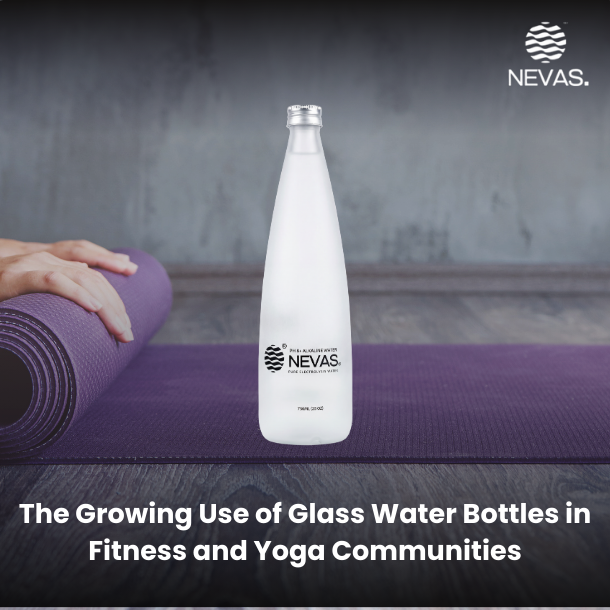
Staying hydrated is integral to fitness. Whether you’re performing a high-intensity workout or immersed in a calming Yogasan session, what you drink surely matters! However, apart from that, what you drink from is equally crucial. Plastic has been the de facto choice for most for years. However, lately, fitness enthusiasts are realizing the long-term consequences of plastic. If you are one of them, you are thinking on the right track. Nevertheless, what option do you have? One long-forgotten alternative is the glass water bottle. Glass bottles were once the default choice. Somehow, they got lost. But they are regaining the lost traction. In recent years, they’ve become popular for some obvious reasons. Let’s explore them in this blog. Why Say No to Plastic Bottles? Once considered convenient, plastic bottles have now come under scrutiny for various reasons. While some pertain to health, others concern the environment. Let’s consider health first. Plastic contains BPA (Bisphenol A) and phthalates, harmful chemicals that can leach into water. The chances of leaching increase, particularly when exposed to heat or reused several times. These chemicals are linked to hormonal imbalances and numerous other health concerns that surface over a period. Plastic is equally harmful, even when it comes to the environment. Plastic bottles, produced in billions and trillions every year, contribute massively to pollution. First, they take hundreds and thousands of years to decompose. Second, because they are produced in gigantic numbers, littering them clog landfills and oceans. Third, plastic absorbs odors and flavors. Thus, it affects water quality and the hydration experience. Accordingly, the discerning, health-conscious customers find plastic misaligned with their core values. No wonder most of them are saying no to plastic bottles. Nevas brings together premium glass bottles for fitness enthusiasts who value health & sustainability Why Are Glass Bottles Becoming Popular Amongst Fitness and Yoga Communities? Glass bottles have emerged as a better, healthier alternative to plastic. Rather, we’d say, they are making a comeback after years of plastic dominance. Here’s why. Chemical Free and Non-Toxic Glass is considered safe to store water as it is devoid of harmful chemicals and does not leach toxins. Therefore, it ensures the water remains pure and clean. This is the first reason fitness lovers and Yoga enthusiasts find glass more appealing. Their consciousness toward what they put in their body makes it one.. Taste and Freshness Retention Plastic absorbs flavor and odor. But glass doesn’t. Instead, it retains both. Hence, the water you store in glass bottles stays fresher and cleaner for longer. It makes hydration a more enjoyable, meaningful experience. Although subtle, this improvement matters. It encourages fitness lovers to drink more water throughout the day. Sustainability Glass is fully recyclable. You can also reuse it infinitely. It doesn’t degrade in quality either. Therefore, choosing glass bottles refers to living a more sustainable lifestyle. Alongside, it reduces your reliance on single-use plastic a consideration crucial for fitness communities that value the environment as much as fitness. Aesthetic Appeal The glossy appearance, sleek designs, and minimalist aesthetics of glass bottles make them visually a more appealing alternative. Therefore, they resonate with the modern wellness culture. A glass bottle in your fitness bag is a style statement that reflects your commitment to health and sustainability. Durability Glass’s fragile nature is often overemphasized as one of its disadvantages. Conventionally, yes. Glass is prone to breakage. But not anymore. Bottles made from borosilicate glass, paired with protective sleeves, are more durable. As a result, they are the right fit for gym bags and daily commutes. Prepared to Make the Move from Plastic to Glass Bottles? Nevas Water is here to help. We are a trusted manufacturer of eco-friendly glass water bottles online. Our premium glass water bottles offer a clean and pure drinking experience. They keep your water fresh while avoiding unwanted taste and chemicals. Hence, they are the perfect choice for fitness lovers who prioritize health, taste, freshness, and sustainability. So, don’t wait to execute your decision. Buy your glass bottle online with Nevas today. Frequently Ask Questions Can I use glass water bottles during a workout? Yes. Many bottles have protective silicone sleeves and sturdy glass. Hence, you can use them during your workout sessions. Does a glass bottle break easily? When dropped forcefully, yes. But modern bottles are stronger than traditional ones. Their protective designs reduce the risk of breakage. Is a glass water bottle heavier than plastic? Yes. It is slightly heavier. But the benefits of the bottle outweigh its heavier weight.
Why Crystal Clear Ice Cubes Are Becoming a Standard in Premium Beverages
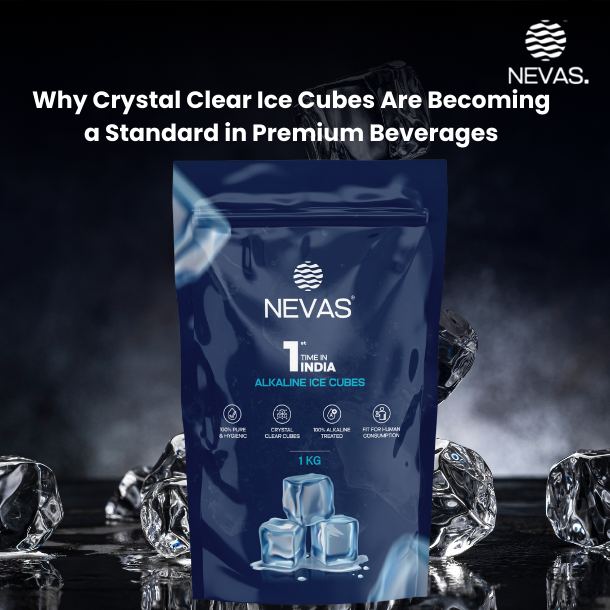
In today’s world, where experience matters, a perfect drink or beverage isn’t about its flavor alone. First, it is about the aesthetics that stimulate the senses, make you feel tempted, and drive you closer to the drink. Therefore, aspects such as visual appeal and sensory experience also matter! So, whether it is your favorite mocktail or a sleek glass water bottle, you want each element of your beverage to be invigorating in every sense! One such element, or let’s say ingredient, that has transformed premium drinks is crystal-clear ice. Once considered a luxury and reserved only for the opulent cocktail bars, clear ice cubes are redefining premium beverages. They’ve now become a routine – the new normal across premium beverages, including sparkling water. But why are crystal-clear ice cubes becoming a standard in high-end drinks? Let’s explore. 1. Enhanced Visual Appeal You consume a drink with your eyes first. Ice cubes, precisely clear ones, enhance the visual appeal of a drink, making it look more tantalizing. In premium settings like luxury bars, drinks are often served in graceful glassware or reusable water bottles. Here, crystal-clear ice elevates the drink’s aesthetics. It makes the beverage look cleaner, purer. 2. Signify Quality and Craftsmanship Clear ice indicates intention, craftsmanship, and attention to detail. It also denotes safety because producing clear, transparent ice requires a considerable amount of purified water, controlled freezing, and time. Now, these aren’t luxuries associated with mass production. Instead, they refer to a more personalized approach, something the discerning revere! They associate clear ice with premium quality. The ice, particularly the stages it involves while being produced, denotes painstaking efforts. 3. Slower Melting While aesthetically pleasing, crystal-clear ice is also known for its density. Therefore, clear ice melts more slowly than cloudy ice that comprises impurities and trapped air bubbles. As a result, the drinks stay colder for longer, and the dilution remains minimal, preserving the drink’s original flavors. On the other hand, when used in sparkling water, the water retains its fizz for longer. Besides, premium spirits and mixers remain balanced. 4. Eliminating Freezer Taste Standard ice cubes usually absorb odors and the scent of everything else in the freezer. But clear ice is often made through directional freezing, a process that pushes out impurities and dissolved gases. The outcome is a cube that’s flavor-neutral, and that doesn’t interfere with the mineral profile of the alkaline water you’ve carefully chosen. Experience true refreshment with Nevas Water & chill every sip with alkaline ice cubes 5. Versatile Shapes and Sizes Crystal-clear ice cubes come in different shapes and sizes. So, from spheres to cubes and diamonds, you can have them in various shapes for a richer drinking experience. Each shape serves a different purpose, aligned with the event. For instance, you can use full dice cubes for general purposes and gourmet clear ice for premium presentation of the beverage. 6. Improved Mouthfeel When it comes to drinks, the temperature and dilution rate affect their mouthfeel. Ice cubes play a crucial role here by not just being visually pleasing but also improving the mouthfeel. They maintain a consistent, icy temperature without adding extra water. The cubes also highlight the natural viscosity of spirits and the crispness of premium water. 7. Sustainability Wondering how crystal-clear ice cubes are associated with sustainability? Well, they are. Sustainability is often an integral part of premium beverage culture. How? Clear ice is usually made from filtered tap water rather than ice bags, minimizing plastic waste. On the other hand, drinks served in reusable glass water bottles instead of plastic align with eco-friendly values. Crystal-clear ice aligns with this narrative by being clean and contemporary. These factors lead to an experience that feels premium and proud! 8. Enhanced Sparkling Water Experience While an experience in itself, dropping a cube or two of crystal-clear ice makes every sip of sparkling water an exhilarating one! And no, it isn’t merely about the visuals. Instead, it is also about preserving carbonation better, allowing bubbles to rise cheerfully through the glass. Thus, it feels crisper, fresher, particularly when served in clear, clean glassware. Final Words! Crystal-clear ice cubes are more than just an aesthetic luxury. They offer an unparalleled experience while offering advantages associated with quality, wellness, and sustainability. Further, when paired with sparkling water, the cubes can lead to an even deeper feeling. However, while ice cubes matter, the choice of water is equally important. So, choose Nevas Water, one of India’s leading alkaline water online. Sourced from natural, elite streams, our alkaline water isn’t just a beverage but an experience to reckon with! Frequently Ask Questions Is crystal-clear ice different from regular ice? Yes. Crystal-clear ice is made by freezing purified water in a controlled way. The process involves removing air bubbles and impurities, resulting in a cleaner, denser ice. Can I make crystal-clear ice at home? Yes. You can use filtered or alkaline water, directional freezing, and clear ice molds. Can crystal-clear ice be served in glass water bottles? Yes. It can enhance the beverage’s visual appeal while keeping the water cold and pure.