
The Quiet Sustainability Shift in Indian Hotels: Moving Beyond Plastic Water Bottles
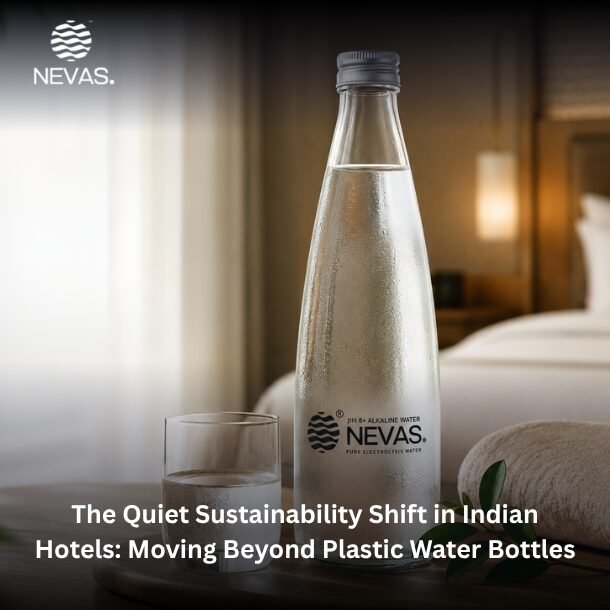
Walk into a five star hotel lobby in Mumbai, Bengaluru, or Jaipur today and something has changed. Quietly, without fanfare, the plastic water bottle that ubiquitous fixture of every bedside table and conference room for decades is disappearing. In its place a premium glass water bottle, clean-lined and elegant, sitting beside a handwritten card that explains the hotel’s commitment to reducing plastic waste. It’s a small object. But it signals something much larger a fundamental rethinking of what hospitality means in an era where sustainability is no longer a niche value, but a guest expectation. Why Indian Hotels Are Rethinking Plastic India generates an estimated 3.5 million tonnes of plastic waste annually, and the hospitality sector has historically been one of its more visible contributors. A mid-sized hotel running at reasonable occupancy can go through tens of thousands of single use plastic water bottles every year each one used for minutes, disposed of in seconds, and persisting in the environment for centuries. For years, this was simply how things worked. Guests expected sealed plastic bottles. Operations teams ordered them by the pallet. The environmental cost was real but invisible. That invisibility is ending. A combination of regulatory pressure, global sustainability frameworks, and a genuine shift in what premium travellers expect is pushing Indian hotels to act and the glass water bottle is becoming the most visible symbol of that action. The Regulatory Push Behind the Scenes India’s ban on specific single-use plastic items, introduced in July 2022 under the Environment Protection Act, sent a clear signal to the hospitality industry. While single-use water bottles weren’t immediately included in the first phase of restrictions, the direction of policy was unmistakable. Large hotel chains operating internationally also face pressure from their global sustainability commitments net zero pledges, LEED certifications, and ESG reporting requirements that now include plastic reduction metrics. When a property in Delhi or Goa is part of an international brand accountable to global sustainability audits, the plastic water bottle becomes a liability that shows up in more than just the bin. The business case for change, in other words, is no longer just ethical. It’s financial and reputational. What Guests Are Actually Asking For The shift isn’t only coming from above. It’s coming from the guest. India’s premium travel segment urban professionals, returning NRIs, international tourists, and a rapidly growing environmentally aware millennial and Gen Z cohort is increasingly vocal about sustainability expectations. TripAdvisor reviews that mention plastic waste. Instagram posts that call out unnecessary single-use packaging. Booking decisions influenced by a property’s visible commitment to responsible practices. Hotels that have made the switch to premium glass water bottles consistently report that guests notice, comment positively, and associate the change with an elevated sense of care both for the environment and for the guest experience itself. It turns out that a well-designed glass water bottle on a bedside table communicates quality in a way that a shrink-wrapped plastic bottle never could. Upgrade your hospitality experience with premium glass drinking water bottles. Explore our collection of glass drinking water bottles here! Upgrade Your Property’s Hydration Standard If you manage a hotel, resort, restaurant, or hospitality space and you’re ready to make the switch, start with a premium glass water bottle designed for commercial use durable, refillable, and visually consistent with the quality your guests expect. The Case for Glass Beyond the Aesthetic It’s tempting to reduce the glass water bottle trend to a design choice. Prettier than plastic, better for Instagram, easier to justify at a luxury price point. But the operational and health case for glass runs deeper. Glass is chemically inert. It doesn’t leach compounds into water regardless of temperature, storage duration, or water type. For hotels serving premium mineral or alkaline water, this matters you’re not compromising the water’s quality by the time it reaches the guest. It’s infinitely recyclable. Unlike plastic, which degrades in quality with each recycling cycle, glass can be recycled indefinitely without any loss of integrity. For hotels with robust waste management partnerships, glass creates a genuinely circular material loop. It’s built for repeat use. A quality premium glass water bottle is designed to be cleaned, refilled, and returned to service not discarded. In a hotel context, this means lower long-term procurement costs once the initial investment in bottles and cleaning infrastructure is made. It signals authenticity. Guests are sophisticated enough to distinguish between genuine sustainability commitment and greenwashing. A branded, refillable glass bottle backed by a visible water quality program is credible. A “we care about the planet” card next to a plastic bottle is not. How Leading Indian Hotels Are Making the Transition The shift looks different across property types, but several approaches have emerged as practical and scalable: In-room refillable glass bottles with in-house purification. The hotel installs a water purification and bottling station on-site, fills branded glass water bottles centrally, and replaces them during housekeeping. Guests get premium water; the hotel eliminates procurement and disposal costs for plastic at scale. Partnering with premium water brands. Some properties partner with natural mineral or alkaline water brands that supply in reusable or fully recyclable glass water bottle formats maintaining the premium feel while outsourcing the water quality management. F&B and conference room integration. Replacing plastic in meeting rooms and restaurants is often the fastest win high-volume usage, visible to corporate clients who increasingly score venues on sustainability criteria, and easy to communicate as a brand decision. Staff training and guest communication. The hotels that do this best don’t just swap the bottle. They tell the story a card, a brief mention at check-in, a line in the welcome kit. Guests who understand why a choice was made feel like partners in it, not just recipients of a policy change. The Bottom Line The plastic water bottle’s reign in Indian hospitality is ending not dramatically, but steadily and irreversibly. Driven by regulation, guest expectation, global sustainability commitments, and a genuine reckoning with environmental responsibility, hotels across the country are making a quiet
Why Premium Beverage Brands Prefer Glass Bottles for Packaging
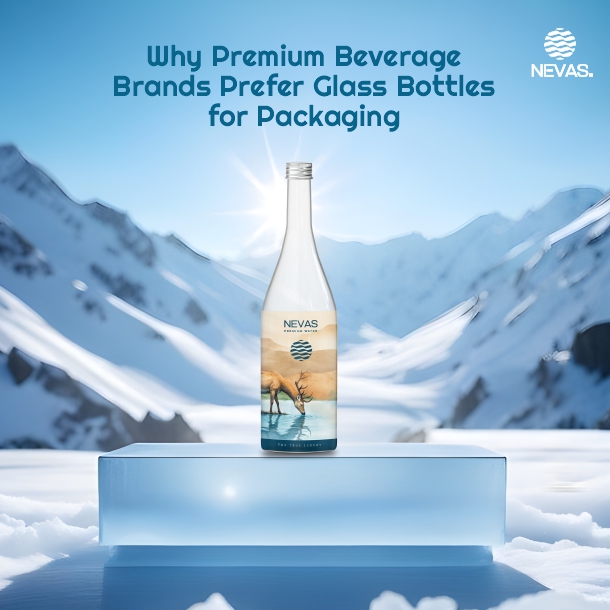
Ever wondered why high-end beverages are always packed inside glass bottles, and not plastic, as the rest of the world usually does? Now, there isn’t one but many reasons these brands use glass bottles. While some are technical, others are strategic, and a few are concerning the environment. At Nevas, as premium glass bottle dealers ourselves, we’d love to highlight the most crucial reasons for this choice. Here are eight of them. 1. Sustainability Sustainability usually forms the last reason companies move from plastic to glass. However, we think of it as the foremost reason. The reason? The dizzying numbers! Globally, the world produces anywhere between 570 billion and 590 billion polyethylene terephthalate (PET) plastic beverage bottles annually. That makes it a whopping million bottles per minute! A few years ago, the bottled water industry produced nearly 590 billion -610 billion plastic containers and bottles. That produced about 20-30 million tons of plastic waste! What’s more concerning? Much of the plastic went unrecycled and ended up in landfills. As for the damage this amount of plastic can do to the environment, it is unimaginable! Responsible beverage brands understand this. Therefore, they always strive to curtail their environmental footprint. One of the best ways, as they see it, is by eliminating or at least curbing the use of plastic and embracing glass! 2. Premium Positioning This one is strategic. Glass is tactile, heavy, and visually honest (or transparent). Besides, consumers associate clarity, weight, and embossed detail with value and top-notch craftsmanship. Also, glass signifies authenticity for premium launches and limited editions. You will always find plastic struggling with these aspects. 3. Taste Integrity Glass is chemically inert. Therefore, it does not leach flavors or interact with acids, alcohol, or aromatics. This attribute helps protect the delicate taste and aromatic profile of the beverage. Maintaining the taste and aroma is critical for premium beverage brands that value and are known for sensory experiences. 4. Superior Barrier Protection Glass serves as an impermeable obstacle against external elements like moisture and oxygen. This attribute of glass creates superior protection against oxidation and helps retain carbonation in sparkling drinks. Now, how does this benefit the beverage inside? It does so by maintaining the beverage’s freshness and quality for a long time. Protect flavor, aroma and quality with Nevas glass water bottle – Buy Now 5. Aesthetic Appeal Glass packaging often symbolizes sophistication, luxury, and quality. The weight, smoothness, and clarity of a glass bottle enhance the product’s visual appeal. It also showcases the vibrant colors of the beverage inside. Nearly 70% of consumers associate glass packaging with superior quality. 6. Circularity Glass is reusable and can be reused multiple times. Its lifecycle impact per use is also much lower than that of single-use plastics. While we’ve covered sustainability in the first point, this is another dimension of the eco-friendly proposition of glass, particularly over plastic. The reusability of glass makes it a significant part of the circular economy, which highlights eliminating unnecessary plastic and prioritizing reusable materials. 7. Temperature Stability Glass has a highly heat-resistant nature. Hence, it maintains a stable internal temperature for a longer duration than various other materials. This is a significant factor for hot-filled and cold-stored beverages. 8. Improved Reputation The beverage industry uses plastic extensively. However, given the widespread damage associated with plastic, the material is under stringent regulatory scrutiny. By using glass, premium brands reduce reputational risk and align themselves with new-age, responsible consumer expectations. 9. Sense of Trust As mentioned earlier, glass packaging is associated with transparency. Obviously, where there’s transparency, there’s trust. For premium liquids, the clear visibility of the color and clarity proves to be key elements of the buying experience. Looking for Premium Glass Water Bottles? Choose Nevas! At Nevas Water, we are one of the leading and trusted glass bottle dealers with a reputation for manufacturing superior glass bottles. Our bottles offer a clean and pure drinking experience. They keep the water fresh without producing any unwanted taste or chemicals. Therefore, our bottles are a great choice to store your daily dose of hydration. Besides, they are reusable, stylish, and eco-friendly. Want to buy our glass bottles in bulk? Please email us at sales@nevas.in to connect with our sales team and place your order or get your questions answered. Frequently Ask Questions Is glass packaging more eco-friendly than plastic? Yes. It is because you can reuse and recycle plastic infinitely without losing its quality. On the other hand, you can recycle plastic only once. Also, globally, only up to 10% of the plastic ever produced has been recycled. Glass is heavier than plastic.So, doesn’t that increase its carbon footprint? Initially, yes. Glass is heavier to transport. But when you make a glass bottle from cullet, its lifecycle impact becomes much lower than that of a plastic bottle, which you can use only once. How can I buy glass bottles from Nevas? You can place an order directly through our website or write to us at sales@nevas.in.