
Is using a glass water bottle good for your health?
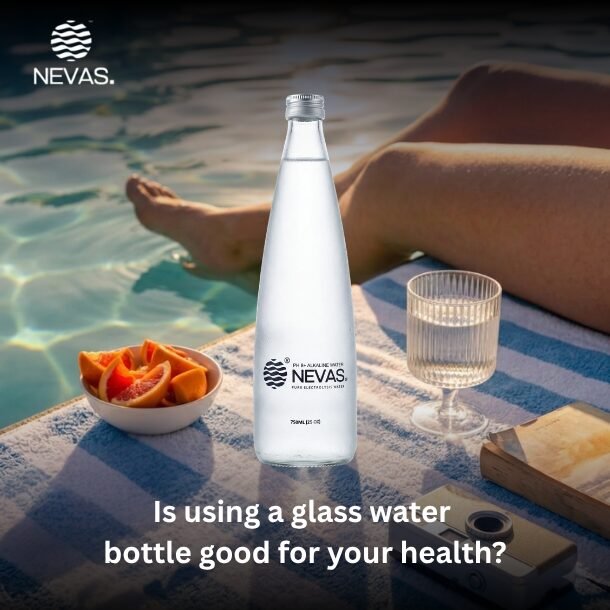
You’ve made the switch to drinking more water. You’re tracking your intake, carrying a bottle everywhere, and feeling proud of the habit. But here’s a question worth sitting with: what is that bottle actually made of and does it matter? For millions of people, the answer is plastic. Convenient, lightweight, affordable plastic. And while there’s nothing wrong with wanting hydration to be easy, growing scientific evidence suggests the container you drink from may be just as important as what’s inside it. So, is using a glass water bottle good for your health? The short answer is yes and the reasons go deeper than you might think. The Plastic Problem Nobody Talks About Enough For decades, plastic bottles were considered harmless background objects. Then researchers began asking harder questions. Bisphenol A (BPA) a chemical used to harden plastics came under scrutiny when studies found it could mimic estrogen in the body and potentially disrupt hormonal function. The response from manufacturers was to produce “BPA-free” plastics. Problem solved, right? Not quite. Research published in Environmental Health Perspectives found that many BPA replacements like BPS and BPF may carry similar risks. A 2011 study found that most plastic products, even BPA-free ones, leach synthetic estrogen-like chemicals, especially when exposed to heat, UV light, or dishwasher cycles. In other words, the issue was never just BPA. It was the chemistry of plastic itself. What makes this especially unsettling is how invisible the exposure is. You don’t taste chemicals leaching into your water. You don’t smell them. You simply drink your eight glasses a day, doing everything right and unknowingly absorb trace compounds with every sip. Over weeks, months, and years, that quiet accumulation is what researchers are increasingly concerned about. Why Glass Is a Fundamentally Different Material Glass is chemically inert. That’s a simple phrase with a powerful meaning: it doesn’t react with what it holds, and it doesn’t release anything into your water whether the bottle is sitting in a warm car, running through a dishwasher cycle, or holding lemon-infused water overnight. There are no plasticizers in glass. No softening agents. No stabilizers. Just silica, shaped and hardened. What you pour in is exactly what you drink. This isn’t a marketing claim. It’s basic material science and it’s why glass has been used to store food, medicine, and beverages for centuries, long before we had the tools to measure chemical migration at the molecular level. The Real Health Benefits of Switching to Glass Your water tastes noticeably better Plastic is porous and absorbs odors and flavors over time. That faint plastic-y taste you’ve learned to ignore? It’s real. Glass is non-porous and flavor-neutral water tastes clean and crisp, every time, from the very first sip to the last. No chemical migration ever With glass, you’re not gambling on whether trace plasticizers are ending up in your drink. There’s nothing to migrate. That peace of mind is especially meaningful for pregnant women, young children, and anyone managing a hormone-sensitive health condition. Dramatically easier to keep truly clean Because glass is non-porous, bacteria and mold have no micro-grooves or scratches to colonize. Unlike plastic, which degrades invisibly with each wash and develops a fine network of surface scratches that harbor microbes, glass stays smooth and hygienic indefinitely. It’s also fully dishwasher-safe without any risk of material breakdown. Make every sip cleaner, fresher, and more intentional with premium glass water bottle Better for long-term hormone health Endocrine-disrupting chemicals (EDCs) found in many plastics interfere with the body’s hormonal signaling. Swapping to glass eliminates this exposure route entirely a meaningful step for anyone thinking carefully about hormonal balance, fertility, or long-term metabolic health. Small, consistent changes in chemical exposure add up in ways that matter over a lifetime. Handles heat and cold without compromise Borosilicate glass the material used in quality glass bottles is engineered to withstand thermal shock. You can pour hot tea in the morning and cold water in the afternoon. No warping. No off-gassing. No wondering whether the heat activated something you didn’t want in your drink. This is the same glass used in laboratory equipment and high-end cookware built for demanding conditions. It’s sustainable in a way plastic simply isn’t Glass is infinitely recyclable without any loss of quality. Every plastic bottle, by contrast, can only be recycled a limited number of times before it degrades into lower-grade material and most plastic bottles are never recycled at all. One glass bottle, well cared for, can replace hundreds of single-use plastics over its lifetime. The environmental case for glass is as compelling as the personal health case. A Day in the Life With a Glass Bottle It might sound like a small thing switching bottles. But the people who make the change consistently report that it shifts how they relate to hydration altogether. There’s something about the weight of glass in your hand, the clarity of seeing exactly how much water remains, the absence of that faint chemical aftertaste, that makes drinking water feel more intentional. Less like a chore you’re getting through, more like a choice you’re actively making for yourself. That psychological dimension isn’t trivial. Habit science tells us that enjoying a behavior even slightly more dramatically increases the likelihood we’ll repeat it. If glass makes your water taste better and feel more satisfying to drink, you’ll drink more of it. And that compounding effect is exactly where lasting health improvements are made. What to Look for When Buying a Glass Water Bottle Not all glass bottles are created equal. Here’s what separates a bottle you’ll use daily for years from one that chips after a month and gets relegated to the back of a cabinet: Borosilicate glass over soda-lime glass. Borosilicate is thermally stronger, more impact-resistant, and used in laboratory and medical settings for good reason. A well-fitted silicone sleeve. This provides grip, light insulation, and crucial impact protection without adding significant bulk or weight. A leak-proof lid with quality seals. Look for stainless steel or bamboo lids with tested